The Mental Game
What it takes for a retired Master to face Super-GMs and overcome a 600-rating point deficit.

Lindsey Vonn is 41 years old. She’s a former Olympic Gold medalist with a highly successful career who retired in 2019.
Yet, she came out of retirement to train for the Olympics in Italy this past year. She tore her ACL, got patched up, and just 9 days later, raced downhill for the Gold.
However, 13 seconds into the race, she crashed...
She was airlifted to the hospital with a badly damaged left leg that required multiple surgeries. Recently, speaking to the press, she said:
“I’m like Rocky. I’ll just keep getting back up.”
When I heard that quote, I immediately thought of our very own “Chess Rocky” — my 48-year-old friend Mike.
As you know from the first three parts of this series, Mike is coming out of a 10-year retirement to face an absolute gauntlet of Super-GMs at the Daniel Naroditsky Memorial in Charlotte on July 4th.
Now, Mike isn’t risking a torn ACL at the chessboard. But anyone who has played competitive chess knows that the mental exhaustion of a tournament can feel like physical pain. You aren't battling gravity — you are battling time pressure, blunders, and your own ego.
Over the last few weeks, I’ve overhauled Mike’s opening repertoire and given him the “B+ Rule” to survive the endgame. But all the chess knowledge in the world falls apart if you falter game after game… after game. This begs the question: How resilient are you to losing?
To survive in Charlotte, Mike doesn’t just need good moves. He needs a bulletproof mindset to “keep getting back up” after a tough loss.
Welcome to Phase 4 of training: The Mental Game.
Want to sponsor our underdog?
Mike’s ‘Rocky’ journey to Charlotte is completely community-driven. If you want to help back the ultimate underdog and cover his travel/entry fees, we set up a GoFundMe page!
Losing Hurts
We all know that losing hurts — especially if you lose to a nose-picking, fidgety 8-year-old. I’ve counted, and I have lost approximately 200 games in my chess career. That is more than the total number of tournament games Mike has played in his entire life!
I’m still learning how to deal with losses, but sheer experience puts everything in perspective. I’m much better at it now than I was 30 years ago!
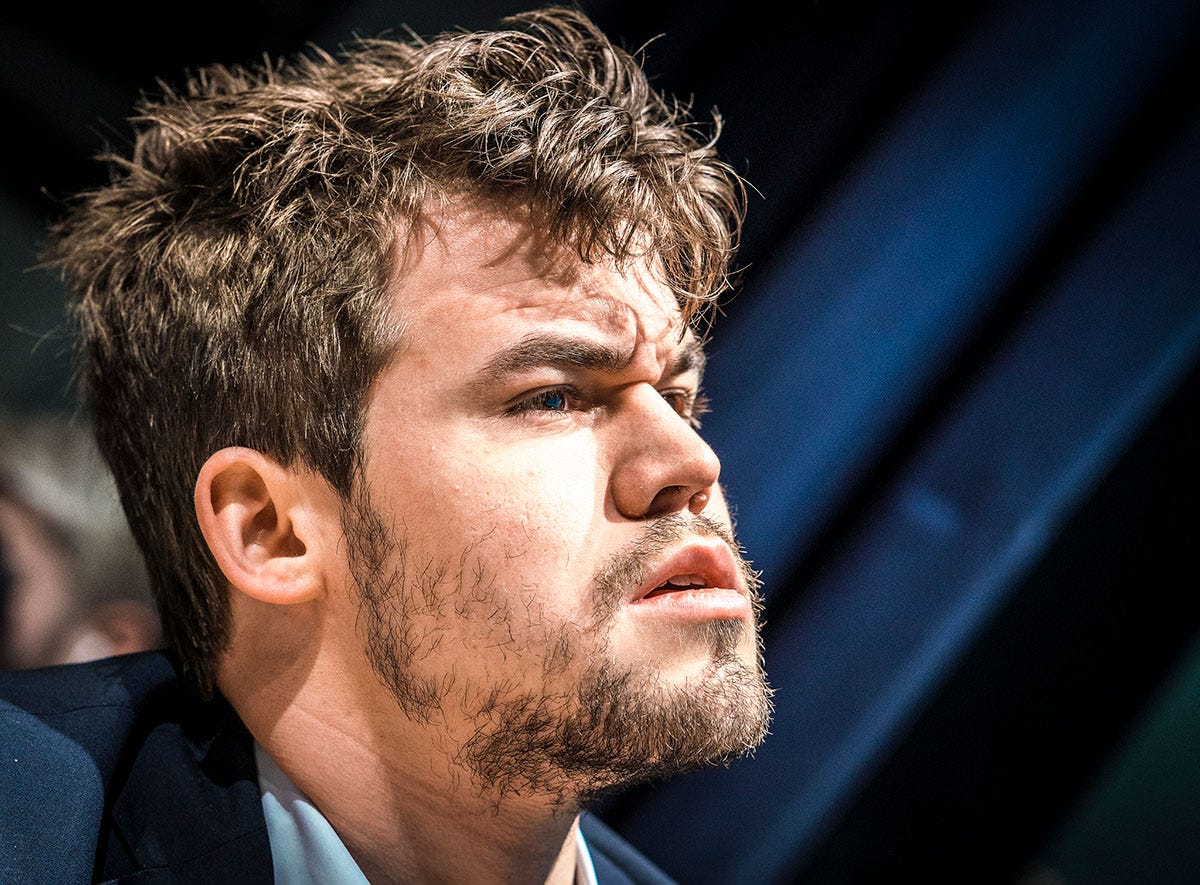
Even Carlsen is still learning how to deal with a bad loss.
Luckily, he handled a recent defeat to his friend and former second, GM Jorden van Foreest, much better at the recent TePe Sigeman & Co Chess Tournament.
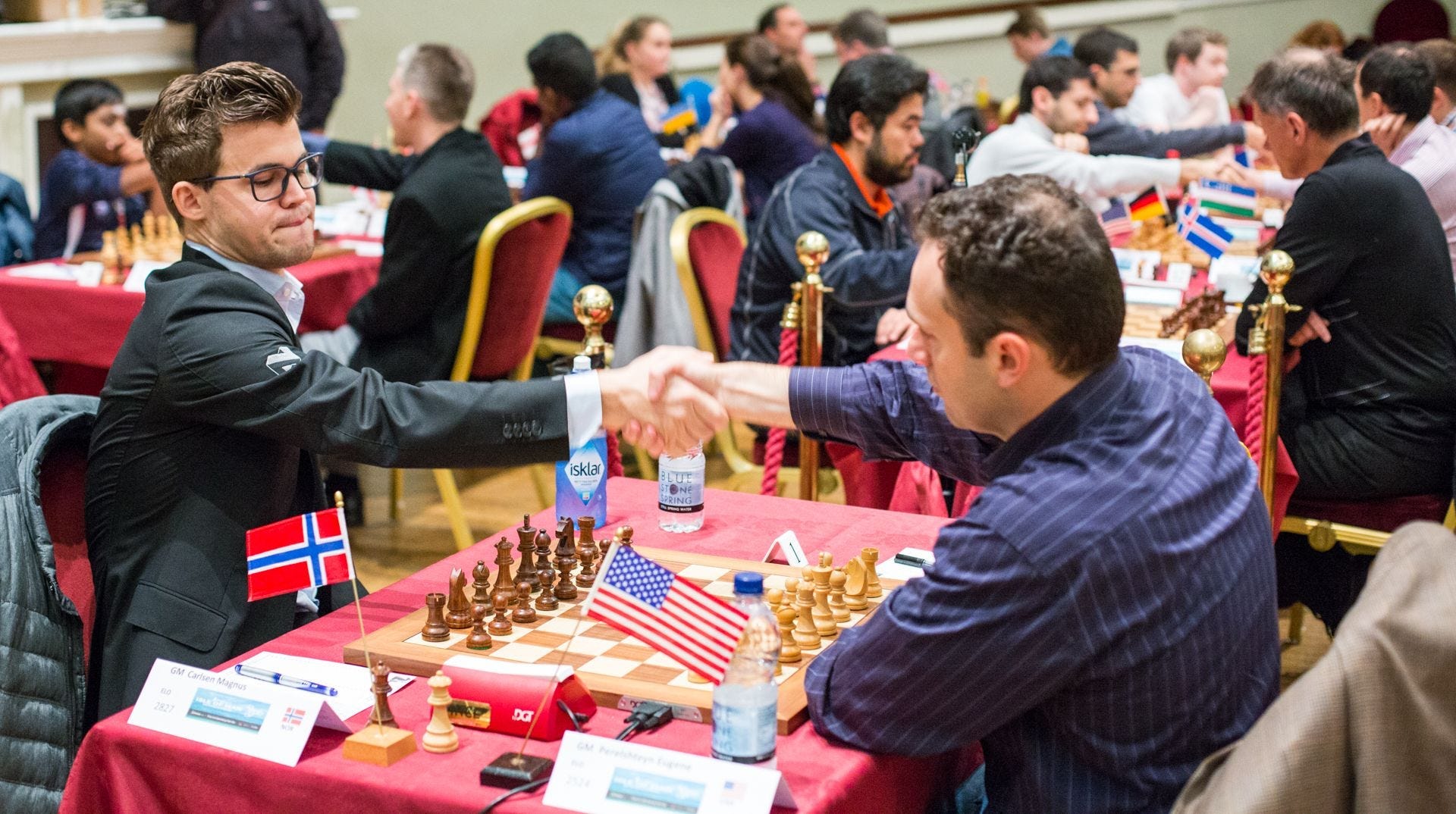
Many adult improvers struggle with facing higher-rated players and play it “safe” to avoid losing. Yet, this is exactly the wrong strategy. As I explained in an older post, when I faced Magnus back in 2017, I went all-in with an enterprising 2-pawn sacrifice right out of the opening.
Mike, however, is built different. As he mentioned in his recent interview with Ben Johnson, he cherishes the opportunity to face strong GMs. Mike said that he can take 100 beatdowns, but if there’s one good win — it’s already worth it! Other than Rocky Balboa and Lindsey Vonn, who else wants to endure such torture?
The worst thing that can happen is he loses and learns from his mistake. No torn ACLs required.
This is the exact mindset I want him to have for the tournament. Just like Rocky: if you get knocked down, get up and fight again!
Here’s an example from a game that Mike played vs a 2300 FM sparring partner.
Black to move:
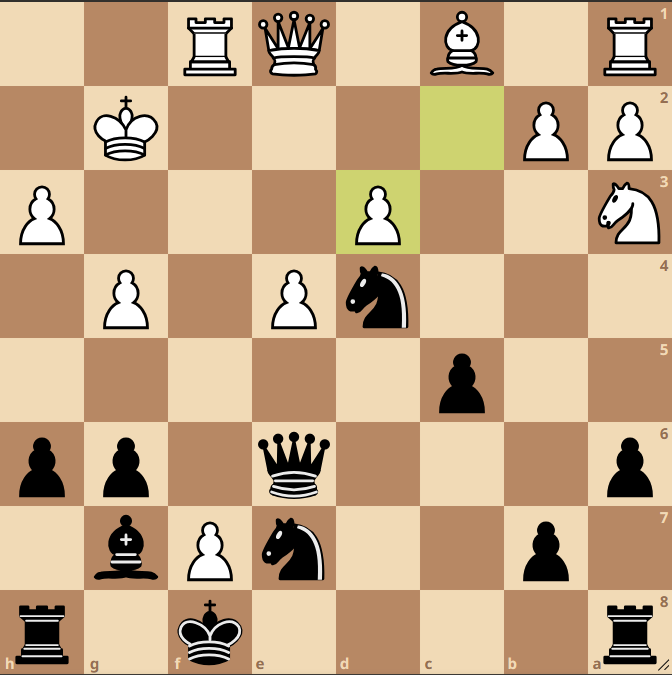
Black is up a piece and White’s f7-pawn acts as a shield against any attack against our king. The engine agrees with a -3 eval. Mike played a nearly flawless game for 30 moves to reach this endgame.
Black to move:
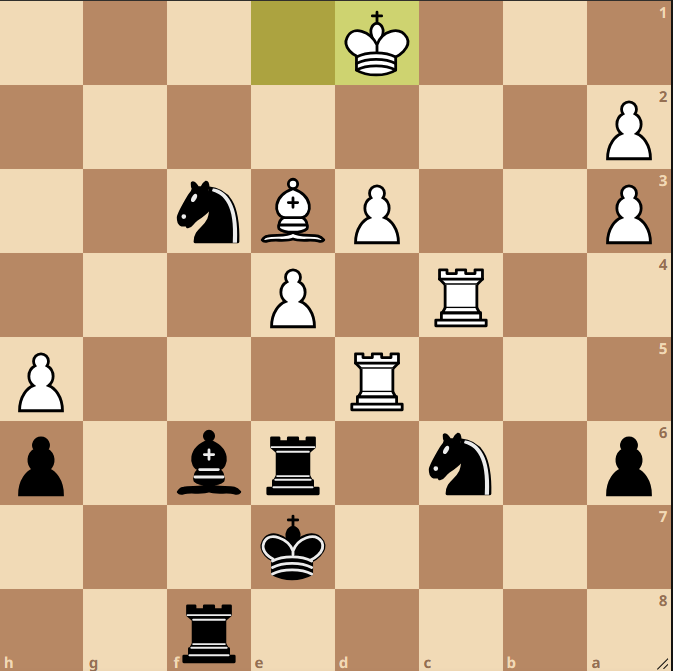
Now, Black is up two pieces and White’s central pawns are easily stopped. The eval has climbed to -5 at this point. However, with seconds on the clock, anything could happen. And Mike lost due to a few terrible blunders…
How do you recover after a game like this? You played great, but the stupid clock makes you want to toss a few chess pieces at the wall. But there’s no time to recover, as you have to play the next round. This is exactly the type of mental training I want Mike to experience.
Mike’s resilience was excellent, as he was able to rebound in a big fighting game as White:
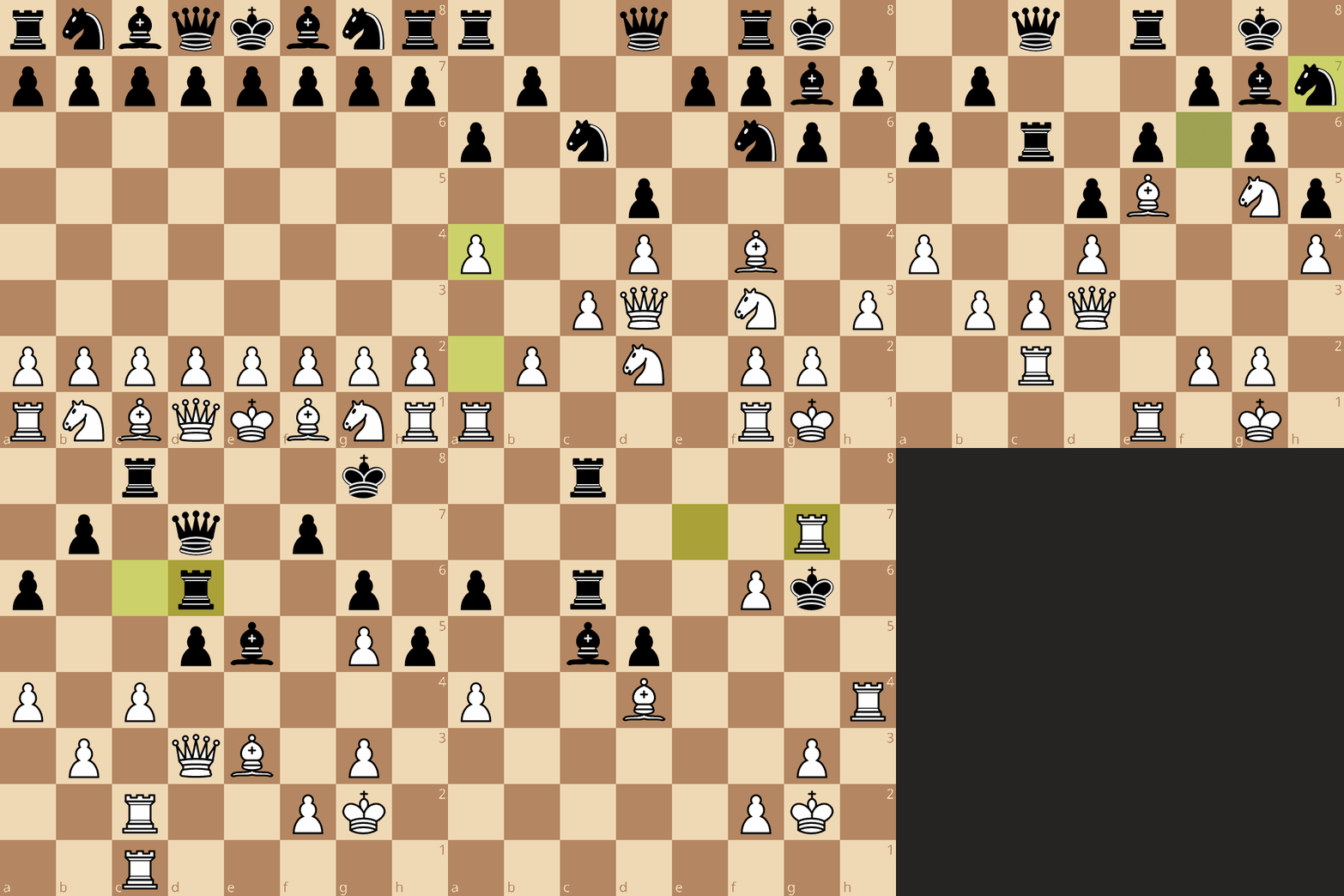
So, if Mike were to ask me, “Eugene, how do I make sure my mental game doesn’t crack in Charlotte?”
Here is my GM Recipe for bulletproof resilience:
Avoid the tilt: Don’t enter the next round desperate to “win back” the point you just lost. Desperation leads to bad moves. Forget the last result and just play the board in front of you.
Play the position, not the rating: A 600-point rating gap is intimidating on paper, but in a 3+2 blitz scramble, anything can happen. Don’t play “safe” just because they are a Super-GM. If the position demands an attack, you attack.
Redefine “Success”: If you lose three games in a row, remind yourself why you are there. Just showing up to the board after a 10-year break is a massive victory. Treat every loss as a learning opportunity.
The Best Cure for Anxiety is Preparation
Mike’s mental game is going to be tested in Charlotte, but one thing he won’t have to worry about is surviving the first 15 moves.
When you have a solid, dependable opening system, you remove half the stress of a tournament game. You don’t have to panic or burn your clock trying to remember the lines. You can just play chess.
If you want to step up to the board with the same confidence we are building for Mike, I’ve put my absolute best systems into the Tournament Starter Kit.
When you upgrade to a paid membership, you get instant access to:
The 2026 Tournament Starter Kit: My complete “Old Man” repertoire (Catalan, Jobava London, Hyper-Accelerated Dragon, Nimzo-Indian) designed to be learned in just 40 minutes, featuring full video lessons and PGNs.
The Endgame Practice Vault: Download the exact PGN of the endgame positions Mike is drilling so you can practice them against the engine.
The Openings Vault: A permanent library of “Gambit Killers” to help you stop falling for common club-level traps as well as a new weapon: The Hungarian Dragon.
The Tournament Survival Guide: My 1-page PDF of gold nuggets from 35+ years of OTB play.
P.S. I’d love to hear from you in the comments: What is the hardest part of the "mental game" for you during a tournament?